
Are Natural GLP-1 Results Possible Without Medications?
Yes, your body naturally produces GLP-1, and certain lifestyle habits can influence its release. But there is an important distinction: naturally increasing GLP-1 is not the same as taking a medication that strongly activates GLP-1 receptors.
Current research suggests that foods and lifestyle strategies may support the body's natural satiety signals, but their effects are much more modest than prescription GLP-1 therapies.
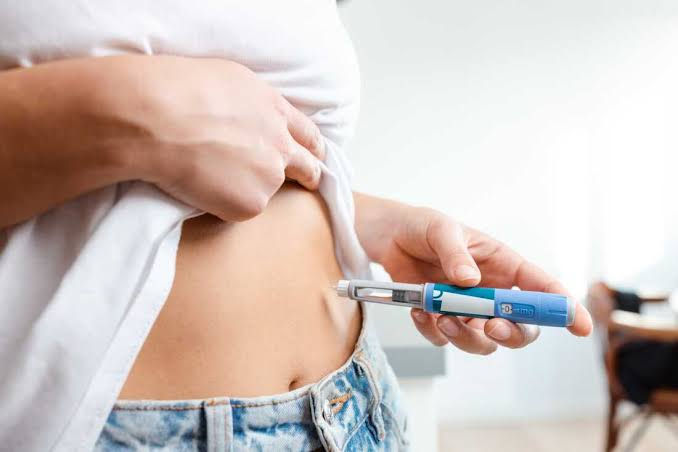
Can You Naturally Increase GLP-1?
GLP-1 is a hormone released by the gut after eating. It plays a role in appetite, blood sugar regulation, and digestion. The foods you eat can influence how much GLP-1 your body releases, with protein, certain fats, and fiber-containing foods being among the dietary factors researchers are studying.
Fiber is particularly interesting because certain types can be fermented by gut bacteria, producing compounds that may stimulate GLP-1 and other satiety pathways. A recent scoping review found evidence that some dietary fibers can increase endogenous GLP-1 and influence satiety, although much of the available research involves relatively small or short-term studies.
What Should You Eat?
Rather than looking for one “GLP-1 boosting” food, focus on meals that naturally support fullness.
Protein-rich foods, vegetables, legumes, whole grains, fruit, and other fiber-rich foods can help create more satisfying meals. Combining protein and fiber can also make it easier to maintain a calorie-controlled eating pattern without relying entirely on willpower.
The goal isn't to manipulate one hormone. It's to build an overall eating pattern that supports appetite control, nutrition, and sustainable weight management.
What About Exercise and Sleep?
Nutrition isn't the only piece. Regular physical activity is an important part of evidence-based weight management, while sleep can influence energy balance and eating behavior.
Lifestyle medicine remains a core component of obesity treatment, whether or not medication is being used.
Resistance training is also useful during weight loss because maintaining muscle and physical function matters alongside changes on the scale. Recent consensus recommendations for people using incretin-based therapies emphasize adequate nutrition and progressive resistance exercise for preserving fat-free mass.

Can Natural GLP-1 Replace Medication?
This is where expectations matter.
There is currently no food, supplement, or lifestyle trick proven to reproduce the magnitude or reliability of weight loss seen with prescription GLP-1-based medications. Natural strategies can support your body's own appetite-regulation systems, but pharmacological treatment produces much stronger receptor-level effects.
That doesn't make lifestyle changes pointless. In fact, they remain important whether someone uses medication or not. Diet quality, physical activity, sleep, and behavioral strategies can all contribute to long-term weight management.
You don't need medication to support your body's natural GLP-1 system. Eating more protein- and fiber-rich foods, staying active, getting adequate sleep, and building sustainable eating habits can all support healthy appetite regulation and weight management.
But it's important not to confuse supporting natural GLP-1 release with replicating prescription medication. The two aren't equivalent.
The most useful approach is to focus less on chasing a “natural GLP-1 hack” and more on the habits that improve satiety, nutrition, activity, and long-term consistency.


Comments