
Common Beginner Mistakes People Make on GLP-1s
Updated: Mar 6
Disclosure: This article contains paid links. If you click through and sign up, I may earn a commission at no additional cost to you. I am not a medical provider - this content is based on my personal experience and research and is meant for informational purposes only. Always consult a licensed healthcare provider for medical advice.

Starting a GLP-1 medication can feel like a huge relief. For many people, it’s the first time food noise quiets down, cravings ease, and weight loss finally feels possible instead of exhausting. But that early stage can also be confusing, especially when expectations don’t match reality.
Most beginner mistakes aren’t about doing anything “wrong.” They usually come from diet culture habits, unrealistic timelines, or simply not being told what actually matters once you’re on a GLP-1. Understanding these common missteps early can make the whole experience smoother, more effective, and far less stressful.
Expecting the medication to do everything on its own
One of the biggest misunderstandings is believing the medication will handle everything without any lifestyle awareness at all. While GLP-1s are incredibly powerful tools, they don’t replace nourishment, movement, or consistency. They work best when they support better habits, not when they’re expected to override them completely.
People who struggle early on often aren’t eating enough protein, skipping meals because hunger feels low, or unintentionally under-fuelling. That can slow progress, increase fatigue, and sometimes lead to weight loss stalling later. The medication reduces appetite, but your body still needs nutrients to function properly.
Eating too little because hunger disappears
This one surprises a lot of people. When hunger drops, it’s easy to assume eating less is always better. But consistently eating too little can backfire. Low energy, dizziness, muscle loss, and plateaus are often signs that intake has dropped too far.
GLP-1s change hunger signals, but they don’t change your body’s need for protein, vitamins, and energy. Regular meals, even when you don’t feel very hungry, help protect muscle, stabilise blood sugar, and keep your metabolism working with you instead of against you.

Ignoring protein and focusing only on calories
Many beginners stay stuck in calorie-only thinking. But protein becomes even more important on GLP-1s because weight loss can happen quickly. Without enough protein, a larger percentage of that loss may come from muscle rather than fat.
People who prioritise protein early tend to feel stronger, look more “toned” as they lose weight, and maintain results more easily long-term. Comparing your progress to everyone else online
GLP-1 weight loss timelines vary wildly. Some people lose quickly. Others lose slowly but steadily. Social media tends to highlight dramatic results without context, which can make normal progress feel disappointing.
Factors like starting weight, hormones, stress levels, sleep, and previous dieting history all influence how fast changes happen. Slower loss doesn’t mean the medication isn’t working. In many cases, it’s actually more sustainable.
Trying to eat exactly the same as before
Another common mistake is not adjusting food choices at all. Certain foods that felt fine before may now cause nausea, reflux, or discomfort. Ignoring those signals and pushing through can make the experience harder than it needs to be.
Most people naturally gravitate toward simpler meals, smaller portions, and less greasy or ultra-processed foods over time. Listening to those shifts instead of fighting them usually leads to fewer side effects and better consistency.
Assuming plateaus mean failure
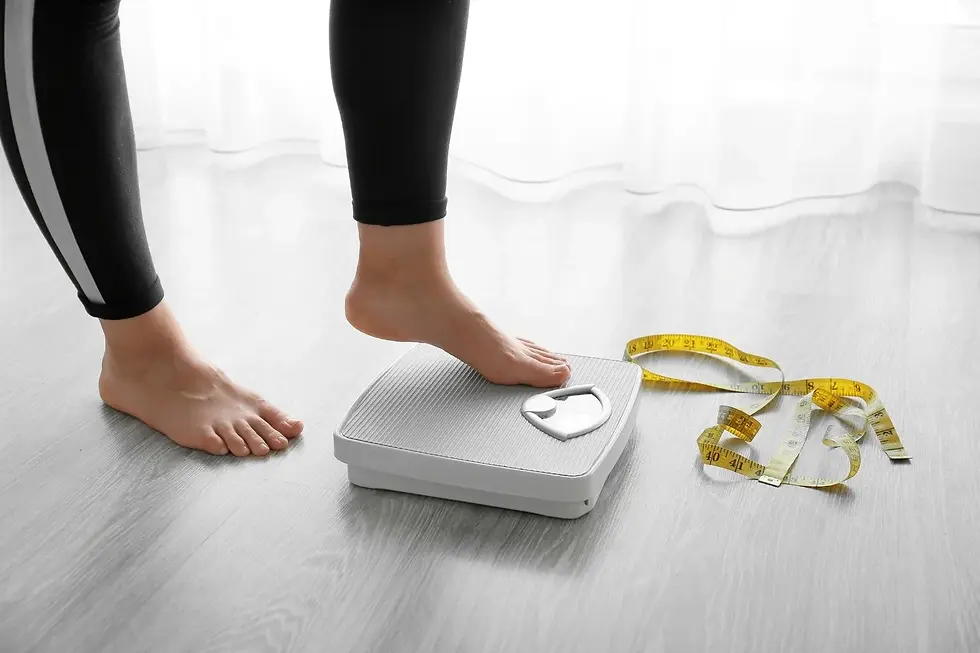
Weight loss isn’t linear, even on GLP-1s. Plateaus happen. They don’t mean the medication has stopped working or that you’ve done something wrong. Often, they’re a sign your body is adjusting.
Small changes like improving protein intake, increasing daily movement, managing stress, or simply giving it time can restart progress. Panicking, restricting harder, or quitting early is usually the bigger issue.
Forgetting this is about long-term change
Perhaps the biggest mistake of all is treating GLP-1s as a short-term fix instead of a support tool for lasting change. The goal isn’t just weight loss, it’s building habits that feel manageable even beyond the medication.
People who focus on learning how to eat, recognising fullness, fuelling their body properly, and creating routines they can maintain tend to feel more confident and less fearful about the future.
When used with the right understanding, GLP-1s can be life-changing in a sustainable way.
If you’re looking for clear, real-world guidance around GLP-1s, you’ll find helpful tools, calculators, and resources over at The GLP-1 Source. It’s designed to support you through every stage, not just the start.
This content is for advertising and informational purposes only and reflects personal experience and independently gathered information. I am not a medical provider, and nothing in this article should be considered medical advice. Medications are prescribed only after consultation with a licensed healthcare provider. Compounded GLP-1 medications are not FDA-approved and have not been reviewed by the FDA for safety or effectiveness. Individual results may vary. For full details and important safety information, visit the IVIM Health website.


Comments