
The Weird Side Effects Everyone Googles on Week Two
- Dec 10, 2025
- 5 min read
Updated: Mar 6
Disclosure: This article contains paid links. If you click through and sign up, I may earn a commission at no additional cost to you. I am not a medical provider - this content is based on my personal experience and research and is meant for informational purposes only. Always consult a licensed healthcare provider for medical advice.
Week two of GLP-1 medications is honestly where the “real” experience begins. Week one feels exciting, almost dreamy: your appetite dips a little, you feel hopeful, you feel like maybe this is finally going to work. But week two? That’s when your body starts having opinions. Strong ones. It’s like your digestive system suddenly realizes, “Oh wait… we’re doing this long-term?” and then throws you a handful of strange, random, mildly dramatic side effects that make you question everything.

If you’ve been wondering why you suddenly hate the smell of your own fridge, or why two bites of dinner made you feel like you just finished Thanksgiving, or why your stomach feels full even when you haven’t eaten, trust me, you’re in the most Googled phase of this entire journey. And the best part? Pretty much everybody is going through the exact same thing.
Let’s talk about the weirdness.
The Nausea That Arrives Like a Plot Twist
By week two, the nausea stops being a gentle whisper and starts showing up like a jump scare in a horror movie. One minute you’re fine, folding laundry, scrolling your phone, living your life.. the next minute you’re breathing deep and trying to convince yourself that you can, in fact, finish brushing your teeth without gagging.
What makes this side effect extra confusing is that it doesn’t follow a pattern. It doesn’t show up after a certain food, or only in the morning, or only when you’re hungry.
Sometimes it just appears because you turned your head too fast or smelled someone’s lunch.
The reason? GLP-1s slow gastric emptying. Your stomach holds food longer, processes it slower, and your brain gets new signals that it’s not used to. It’s annoying, unpredictable, and honestly pretty rude but it’s also temporary. For most people, the body adapts, the stomach settles, and the nausea eases as the weeks go on.
Feeling Completely Full After Three Bites
This is the moment most people panic-Google: “Why am I full so fast?”
Because week two is when your stomach really commits to the slower-digestion lifestyle. You take a few bites and suddenly your body acts like you’ve had a five-course meal. You may sit there staring down at your plate, confused, almost insulted, wondering how you could possibly be done when you barely started.
This is one of the reasons GLP-1s work so well long-term. They help you reconnect to fullness cues you didn’t even know you had. But the shift feels dramatic in week two, and it’s easy to worry something is wrong. It’s not. It’s simply your body adjusting to new signals around satiety, which can be one of the most helpful (and surprising) tools for consistency.

The Sudden, Random Food Aversions
Almost everyone hits the “I cannot look at ___ right now” phase in week two. There’s no predicting it. You might wake up one morning and decide that chicken suddenly tastes like sadness. Or eggs smell offensive. Or that your favorite drive-thru order now seems like it was cooked in a shoe.
It doesn’t mean you’re broken or your taste buds are permanently ruined. It’s just your body recalibrating. Because digestion slows, smells hit harder, textures feel heavier, and your stomach becomes pickier about what it wants to deal with.
These aversions almost always pass. People go through cycles, sometimes weekly, where certain foods are “nope, absolutely not,” and then magically tolerable again later. It’s all part of your body figuring out its new rhythm.
The Digestive… Slowdown
Let’s be honest: nobody likes this one, but everybody Googles it.
Things. Slow. Down.
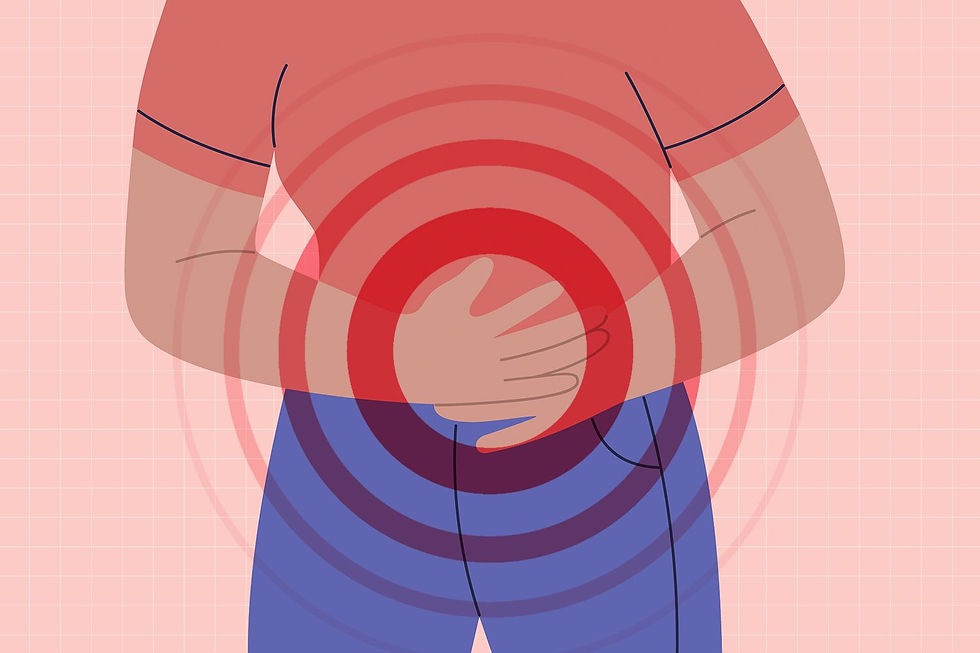
You may feel backed up, bloated, or like your stomach is still working on Monday’s lunch when you’re already halfway through the week. This isn’t you doing something wrong. This is the medication doing exactly what it does: slowing gastric emptying.
For some people, this means fewer bowel movements. For others, it means discomfort or pressure. Hydration makes a huge difference, and gentle movement (like a 10-minute walk after eating) can seriously help. Fiber helps too, but week two is usually about trial and error until your body finds its groove.
And yes, it almost always improves with time.
The Bloating That Feels Unfair
This one throws people off because they expect immediate slimming, not a stomach that feels like it expanded overnight. But bloating in week two is super common because food is sitting in the stomach longer than before.
Even if you’re eating less, digestion is moving at a slower pace. The result can be that tight, uncomfortable feeling that makes your jeans feel personal. It usually settles by week three or four, once your gut adjusts.

The Sudden Energy Crash (or Boost.. It Goes Both Ways)
GLP-1s can cause your blood sugar, appetite, and energy to shift in unexpected ways. Some people suddenly feel energized and lighter. Others experience a tiredness that feels like it drops out of the sky.
This happens because your body is adjusting to eating less and digesting slower. If you’re not fueling consistently, your energy can dip. Small, protein-rich meals or snacks often help stabilize things. And, again, most people find their energy steadies out once the early adjustment phase passes.
The Strange Quiet in Your Brain Around Food
This is one of the most surprising week-two “side effects.”Your brain suddenly… stops shouting about food.
The constant noise, the planning, the cravings, the thoughts about snacks or the next meal, it just goes silent. And that silence can feel both peaceful and unsettling.
Some people even feel emotional about it, because it’s the first time in years (or decades) that they’re not fighting their own appetite. Week two is often when people realize, “Oh… this is what it feels like to not be obsessed with food.”
It’s a powerful shift. And for many, it’s the first sign that consistency is finally possible.
So… Is All This Normal?
Pretty much, yes. Week two is the messy middle, the “what is happening to me?” chapter before everything balances out. Your body is adjusting to a completely different pace of eating and digesting, and it’s normal for things to feel unpredictable.
The good news? These weird side effects usually fade. Your appetite evens out.
Your digestion stabilizes. Your cravings stay quiet. Your clothes begin to fit differently.
Week two is dramatic, but it’s also temporary and for most people, it’s exactly what leads to long-term wins.
This content is for advertising and informational purposes only and reflects personal experience and independently gathered information. I am not a medical provider, and nothing in this article should be considered medical advice. Medications are prescribed only after consultation with a licensed healthcare provider. Compounded GLP-1 medications are not FDA-approved and have not been reviewed by the FDA for safety or effectiveness. Individual results may vary. For full details and important safety information, visit the IVIM Health website.



Comments