
Why Some People See Weight Loss Results Faster Than Others
Weight loss medications can be a total game-changer, but if you’ve tried them, you’ve probably noticed something: some people drop pounds quickly, while others seem stuck, even if they’re following all the rules. The truth is, this isn’t about laziness or “not trying hard enough.” Our bodies are all a little different, and there are hidden factors that can make weight loss easier for some and slower for others.

The good news? Being a slower responder doesn’t mean you’re doomed. Once you understand what’s going on behind the scenes, you can take steps to give your body the best chance to respond and see results that actually stick.
What Can Affect How You Respond
How Your Insulin Works
Insulin is one of those hormones that can secretly make weight loss tricky. If your insulin is consistently high (even a little), your body holds on to fat instead of letting it go. Medications can help, but if insulin is constantly spiking, fat loss slows down.
The fix? Things like watching carbs, choosing foods that don’t spike blood sugar, and trying meal timing strategies can help insulin levels stay stable. Even small changes can make a big difference and help your meds do their thing.
Inflammation and How It Slows You Down
Did you know that invisible inflammation can actually make it harder to lose weight? Chronic stress, lack of sleep, gut issues, and certain illnesses can all cause this. Think of it like your body’s “rust” slowing down the engine that burns fat.
Cutting back on inflammation doesn’t have to be complicated. Eating more whole foods, adding anti-inflammatory fats like omega-3s, and supporting gut health can really help your metabolism wake up and let weight loss meds work better.
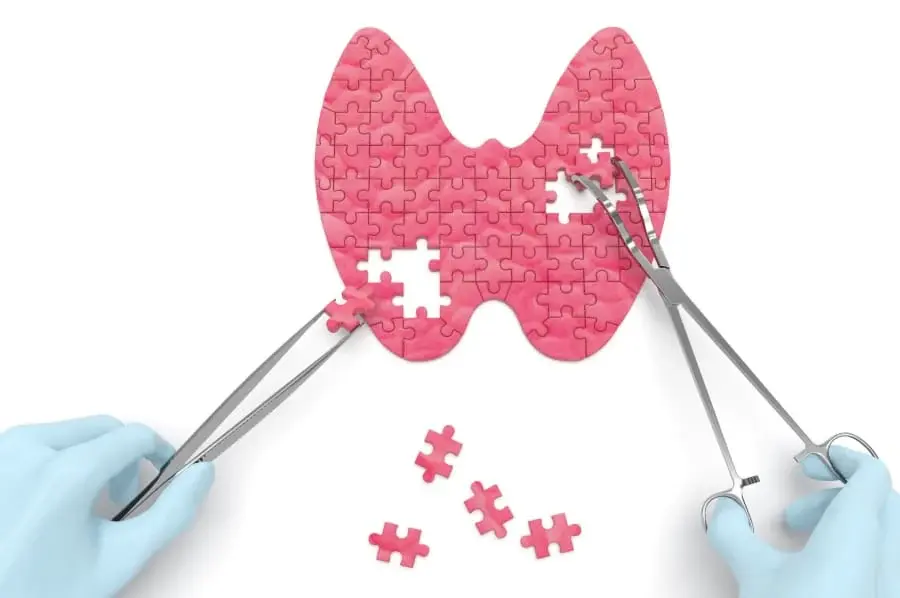
Your Thyroid’s Role
Your thyroid is the body’s natural “thermostat” for metabolism. If it’s a little off, even subtle changes, your metabolism can slow down, making weight loss feel like an uphill battle. A full thyroid check can reveal hidden issues.
Getting your thyroid functioning at its best can give your metabolism a boost and make everything else you’re doing, including medications, work better.
Stress and Cortisol
Stress isn’t just in your head, it’s in your body. High stress leads to higher cortisol, which can tell your body to hold on to fat, especially around the belly. Even if you eat right and move your body, stress can quietly sabotage results.
Simple ways to manage stress, like better sleep, deep breathing, gentle movement, or meditation, can really help. When cortisol is balanced, your body responds better to both diet and medication.
Signs You Might Be a Slow Responder
If you’re following your medication plan and doing everything “right” but the scale barely moves, that doesn’t mean it’s not working. It might just mean there’s something in the background, like insulin issues, inflammation, thyroid challenges, or stress, that’s slowing things down.
Getting some lab tests can reveal these hidden blockers and give you a roadmap for what to focus on next.

How to Give Your Body a Boost
The key to faster, more consistent results is tackling those underlying factors. Here’s a simple way to think about it: help your insulin, reduce inflammation, support your thyroid, and manage stress. When you do that, your medication can actually do what it’s supposed to do.
Small but consistent steps, like focusing on low-glycemic foods, moving your body in ways you enjoy, taking steps to sleep better, and including stress-busting habits, make a huge difference. Over time, your metabolism wakes up, and results become much easier to see.
Not seeing fast results with weight loss medication doesn’t mean you’re failing. It usually means your body has a few hidden barriers that need attention. Once you identify and tackle those areas. Insulin, inflammation, thyroid, and stress, weight loss becomes much more realistic and sustainable.
It’s all about giving your body the right environment to succeed. With some small adjustments, most people can go from feeling stuck to actually seeing progress they’re excited about.


Comments