
10 Quiet Reasons Weight Loss on GLP-1 Can Stall (And What Usually Helps)
- Feb 9
- 6 min read
Updated: Mar 6
Disclosure: This article contains paid links. If you click through and sign up, I may earn a commission at no additional cost to you. I am not a medical provider - this content is based on my personal experience and research and is meant for informational purposes only. Always consult a licensed healthcare provider for medical advice.

If you’re taking GLP-1 medication and you’ve hit that confusing point where the scale just… stops, it can feel incredibly discouraging. Especially if things were moving along nicely at the beginning. One week the appetite suppression felt strong, food noise was quieter, and weight was coming off. Then suddenly it feels like nothing is happening.
The first thing to know is this: in most cases, the medication hasn’t suddenly “worn off”. What’s far more common is that a few small things shift in the background. They don’t feel dramatic or wrong, and some of them even feel sensible, so they’re easy to ignore. Over time, though, those small shifts can quietly cancel out your results.
Let’s talk through the most common reasons this happens, in a way that actually makes sense in real life.
Eating Too Little Can Stall Progress Faster Than You Expect
This one surprises a lot of people.
Because GLP-1 medications reduce appetite, it’s easy to slip into skipping meals or just grazing on tiny amounts throughout the day. At first, this can look like rapid progress.
But when overall intake drops too low for too long, the body adapts. Energy levels fall, daily movement decreases without you even noticing, workouts feel harder, and hunger often rebounds later on.
At that point, it’s very easy to assume the medication stopped working, when in reality your body is responding exactly as it’s designed to. Weight loss isn’t about eating the smallest amount possible. The goal is fat loss while preserving muscle, and that requires enough fuel to function.
Regular meals, even if they’re small, send a very different signal to your body than long gaps with almost no intake. Prioritizing protein first, then fibre, helps create that signal without forcing yourself to eat large portions.
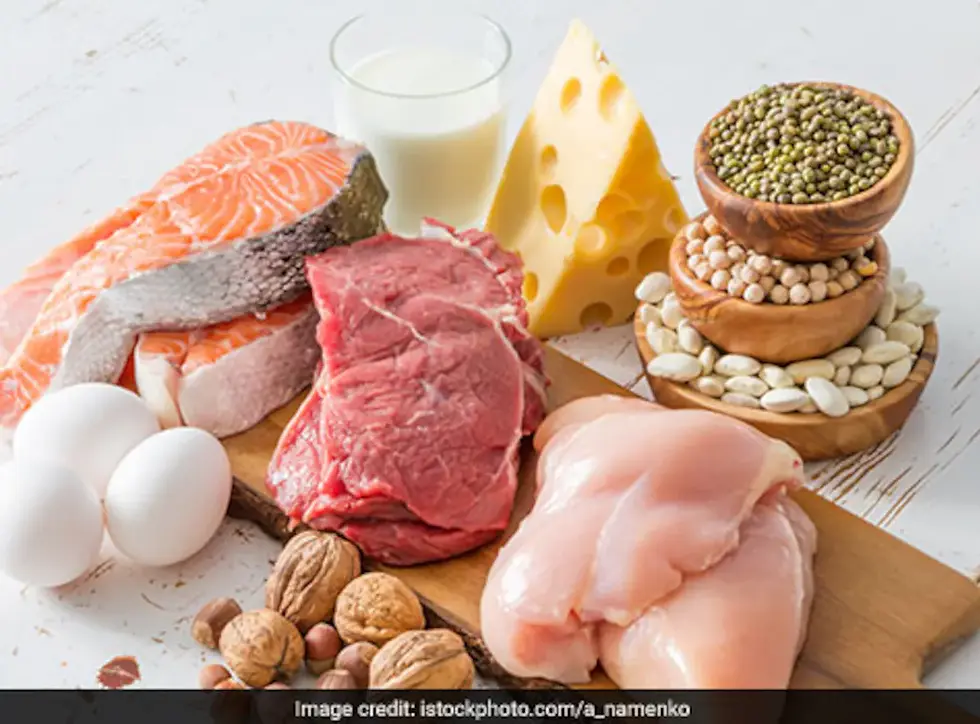
Low Protein Intake Often Leads to the “Wrong” Kind of Weight Loss
When protein intake is too low on a GLP-1, weight can still come down, but a significant portion of that weight may be muscle. This matters more than most people realize.
Muscle plays a major role in metabolism, strength, and long-term weight maintenance. As muscle mass decreases, the body’s calorie burn slows, strength drops, and plateaus become more likely. This can make it feel like progress suddenly slammed into a wall.
You don’t need to overcomplicate protein or chase perfection. For many adults, somewhere in the region of 80–90 grams per day is a reasonable place to start, adjusting based on body size, appetite, and individual needs. When appetite is low, protein needs to be easy and accessible. Simple foods like eggs, yogurt, cottage cheese, chicken, fish, or even a protein shake on busy days can make a big difference. The key is consistency, not variety.
Without Strength Training, the Body Starts to Downshift
You don’t need to love the gym to benefit from strength training, but some form of resistance is incredibly important during weight loss, especially on GLP-1 medications.
When muscles aren’t being challenged, the body interprets them as unnecessary. In response, it starts breaking them down for energy. As muscle mass decreases, overall calorie burn drops, and weight loss naturally slows or stalls.
Even short, imperfect sessions count. Two to four sessions per week of bodyweight exercises at home can be enough to send the message that your muscles are needed. Simple movements like squats, hinges, pushing, pulling, and basic core work provide that signal. Combined with adequate protein, this helps protect the “engine” that keeps weight loss moving.
Daily Movement Often Drops Without You Realizing
This is one of the most common hidden stalls.
As appetite decreases and energy fluctuates, many people unknowingly move less throughout the day. There may be more sitting, less pacing, fewer small transitions between activities. Nothing feels dramatically different, but overall daily movement drops just enough to erase the calorie deficit that was previously working.
When weight loss stalls, it’s often helpful to look back at step counts or daily activity levels from earlier in the journey. The difference is usually clear. Re-introducing one simple, consistent movement habit, such as a daily walk or a set step target, can be enough to restart progress without adding stress or intensity.

Constipation and Dehydration Can Create a “False Plateau”
Slower digestion, lower food intake, and reduced movement can easily lead to constipation on GLP-1 medications. This does more than just cause discomfort.
Constipation can make you feel bloated, heavy, and unwell, and it can also make the scale appear stuck even when fat loss is actually happening. Holding onto waste and water can mask progress for weeks at a time.
Hydration, gentle daily movement, and gradually increasing fibre intake often help. What matters most is not ignoring it. Persistent constipation affects comfort, confidence, and consistency, all of which play a role in long-term success.
High-Fat, High-Sugar Meals Can Disrupt the Whole Week
Certain meals tend to cause more issues on GLP-1s, particularly combinations that are high in fat and sugar. Fried foods, creamy pastas, heavy takeaways, or large indulgent meals can sit in the stomach for longer and trigger nausea, reflux, or that unpleasant “I feel awful” sensation.
When that happens, it’s easy for the rest of the week to unravel. Appetite becomes unpredictable, meals get skipped, and routines fall apart.
This isn’t about banning foods. It’s about building a base of meals that are easy to digest and repeat most of the time. Lean protein, cooked vegetables, moderate portions, and more balanced fat sources tend to work better.
Liquid Calories Add Up Faster Than You Think
Liquid calories are one of the easiest ways to cancel out progress without realising it. Sugary coffees, juices, alcohol, and smoothie-style drinks don’t create the same sense of fullness as solid food, even if they contain a lot of calories.
Alcohol in particular can also disrupt sleep and lower decision-making later in the day, making it harder to stay consistent. This doesn’t mean you can never enjoy a drink, but it does mean being honest about how often and how much.
For most days, keeping drinks simple: water, sparkling water, unsweetened tea, or plain coffee, supports appetite control and overall progress far more than people expect.
Sleep and Stress Have a Bigger Impact Than Most People Think
Poor sleep increases hunger signals and cravings, even when calorie intake hasn’t changed. High stress can reduce movement, worsen food choices, and increase water retention, which makes the scale particularly frustrating.
Rather than aiming for perfect sleep, consistency matters more. A regular wake time, a basic evening wind-down, reduced screen time, and some form of daily stress relief can make a noticeable difference. When progress stalls, looking back over sleep patterns from the previous couple of weeks often reveals a clear connection.

Inconsistent Dosing Can Create an On-Off Effect
Taking medication at different times, missing doses, or frequently changing days can lead to an experience where some weeks feel effective and others don’t. This inconsistency can easily be mistaken for the medication failing.
Choosing a consistent day and time window, setting reminders, and speaking to a prescriber if doses have been missed for a while can help stabilise results. Increasing doses too quickly to chase faster loss often backfires by increasing side effects rather than improving outcomes.
Sometimes the Medication Is Working. But the Plan Isn’t Optimized.
This is often the hardest one to accept.
In many cases, the medication is doing its job, but the surrounding plan needs adjustment. Protein may still be too low, strength training may be inconsistent, movement may have decreased, sleep may be poor, or meals may be triggering side effects that haven’t been tracked.
Rather than assuming failure, it’s worth tightening up the basics first and giving them time to work. If consistency has truly been in place for several weeks and progress still hasn’t returned, that’s when a conversation with a prescriber makes sense to explore further optimisation.
Weight loss stalls on GLP-1 medications are rarely random and rarely permanent. Most of the time, they’re a sign that the body is responding to the signals it’s receiving, and those signals can be adjusted.
If you’re feeling stuck, try to approach it with curiosity rather than frustration. Progress doesn’t come from doing more and more, but from doing the right things consistently.
This content is for advertising and informational purposes only and reflects personal experience and independently gathered information. I am not a medical provider, and nothing in this article should be considered medical advice. Medications are prescribed only after consultation with a licensed healthcare provider. Compounded GLP-1 medications are not FDA-approved and have not been reviewed by the FDA for safety or effectiveness. Individual results may vary. For full details and important safety information, visit the IVIM Health website.


Comments